Cemetry
St John’s Church Cemetery
(Meerut Cantonment Cemetery)
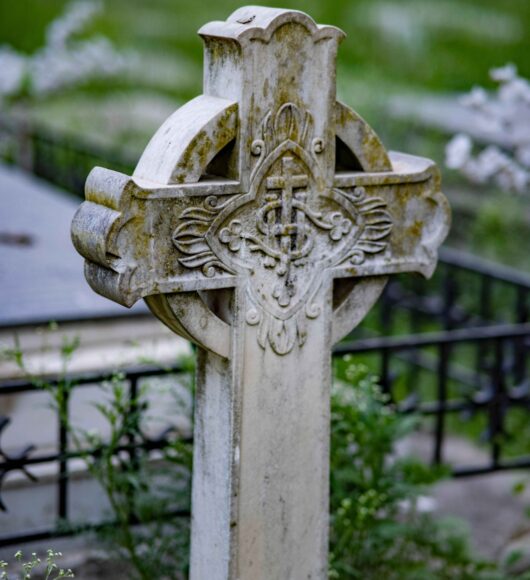
The church compound includes St. John’s Cemetery (also known as Meerut Cantonment Cemetery), a site of significant archaeological and historical interest due to its colonial-era tombs. Today it is not actually within the boundary wall of the church compound but at a distance of hardly 200 meters from it. Established before the church in 1810, the cemetery contains graves dating back over two centuries, many belonging to British military personnel, civilians, and missionaries. Notable features include engraved headstones, carved pillars, and “elegant tombs bordering on antiquity,” some commemorating victims of the 1857 rebellion, including figures like Colonel John Finnis (killed in the mutiny).
The cemetery has Military graves from colonial era along with family graves and missionary graves. The children grave markers depict a trend of very low child mortality rate during those ages.
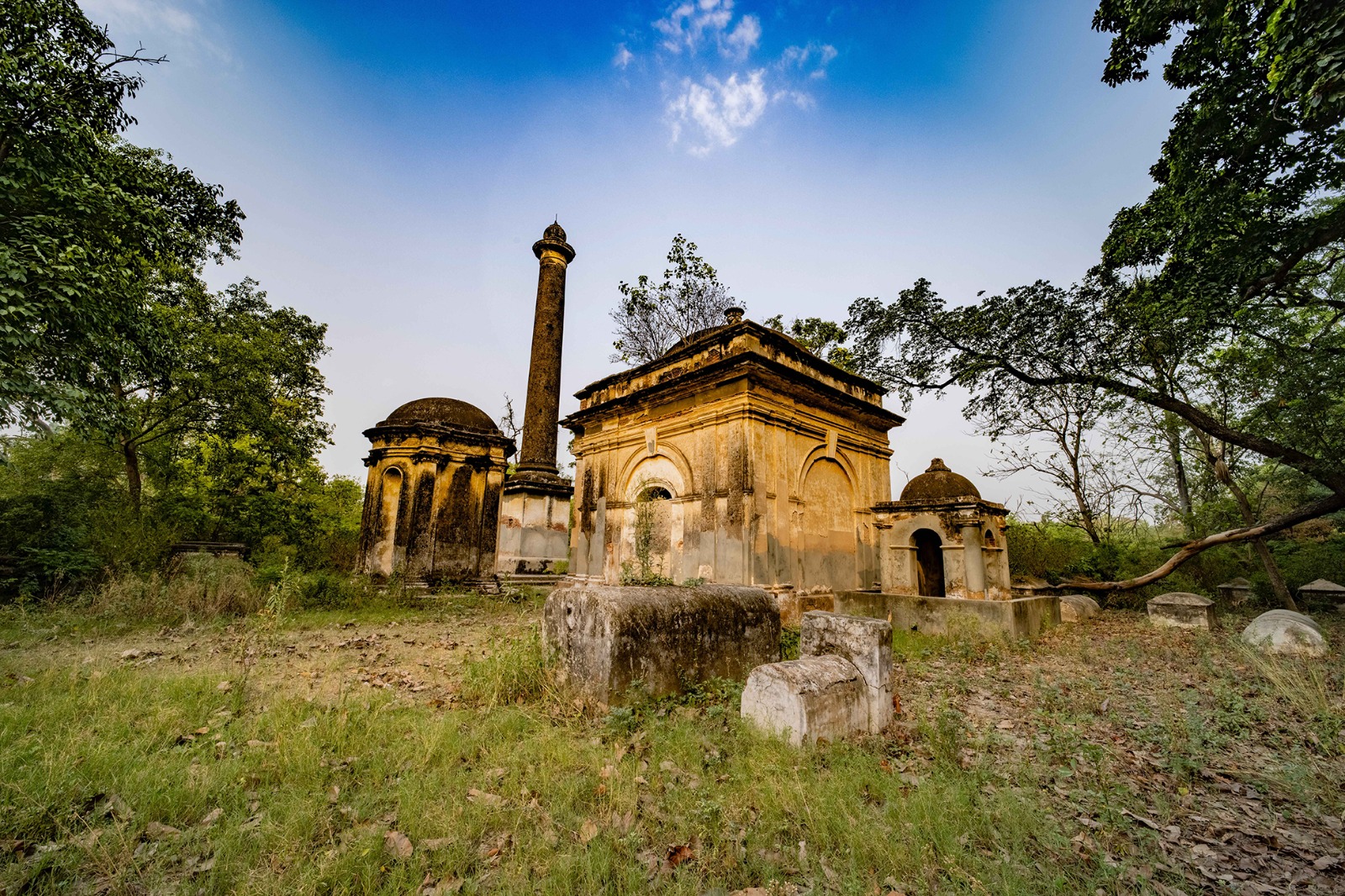
Amid the underbrush and banyan shade, stand out the grave markers that range from humble slabs to soaring monuments depicting their grandeur, artistry, and sheer emotional weight.
The Gillespie Memorial Column: A striking tall obelisk of pale stone, piercing the sky like a sentinel, dedicated to Sir Robert Rollo Gillespie a fiery Scottish general who met his end in 1814 during the Anglo-Nepalese War (not buried here, but honored with this poignant tribute).
Elizabeth Frances Donkin’s Elegant Slab For the wife of Major General Donkin (d. 1818, aged 28), this refined marker features a draped urn and weeping willow in high relief, linking continents—it’s tied to Port Elizabeth in South Africa, named after her.
According to Commonwealth War Graves Commission (CWGC) records, the cemetery contains 153 First World War Commonwealth burials, primarily British and Indian service personnel who died between 1914 and 1918. The CWGC has been actively working to reinstate these original burials in Meerut.
The Cemetery is a good venue for studying Indo-British interactions, with many monuments featuring neoclassical motifs adapted from European funerary art. The site falls under the ASI’s Meerut Circle for heritage protection, though erosion and urban encroachment have obscured some graves.
As per church records, the first soul laid to rest was a young officer was Ensign Charles John Spitty aged just 19 who served with served in the 14th Bengal Native Infantry. He succumbed to a sudden fever (likely dysentery or cholera) which were common killers of that time.
The cemetery is an active cemetery with burials taking place but these are majorly for the local Christian community.