Church History
Timeless Steeple: The history of St. John’s CNI Church, Meerut
Foundation of St. John’s Church was laid in 1819 to serve the military garrison stationed here and it was completed in 1822. It stands as one of the oldest surviving Anglican church buildings in northern India. It was consecrated by Bishop Reginald Heber, also known as the poet bishop of Calcutta, in 1824. He travelled on an elephant from Calcutta to Meerut, taking more than three months to arrive here for the ceremony.
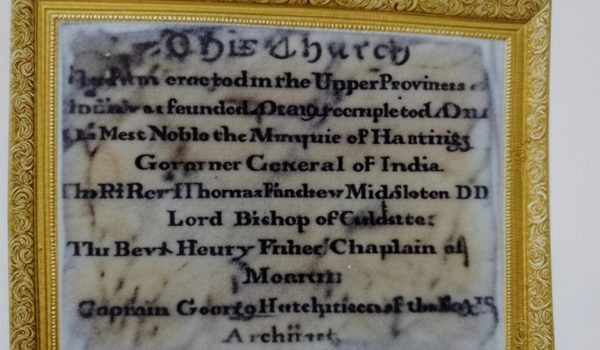
An inscription on a plaque plastered on the entrance wall of the church suggests that it is the oldest, built by the British in North India. It says, ‘The first house of worship erected by the British in the (then) Upper Provinces of India.” The ceremony was attended by the then Governor General of India, Marquis of Hastings. The church was built at a cost of Rs 56,000
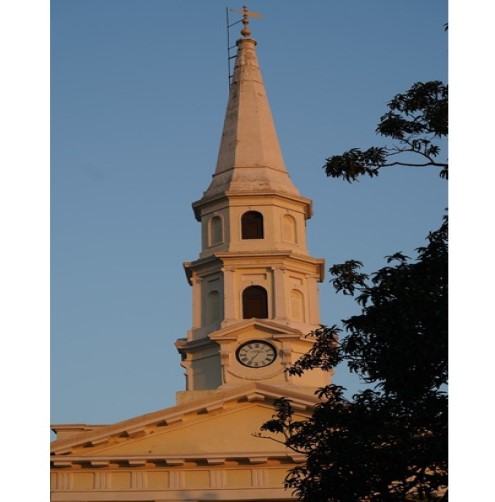
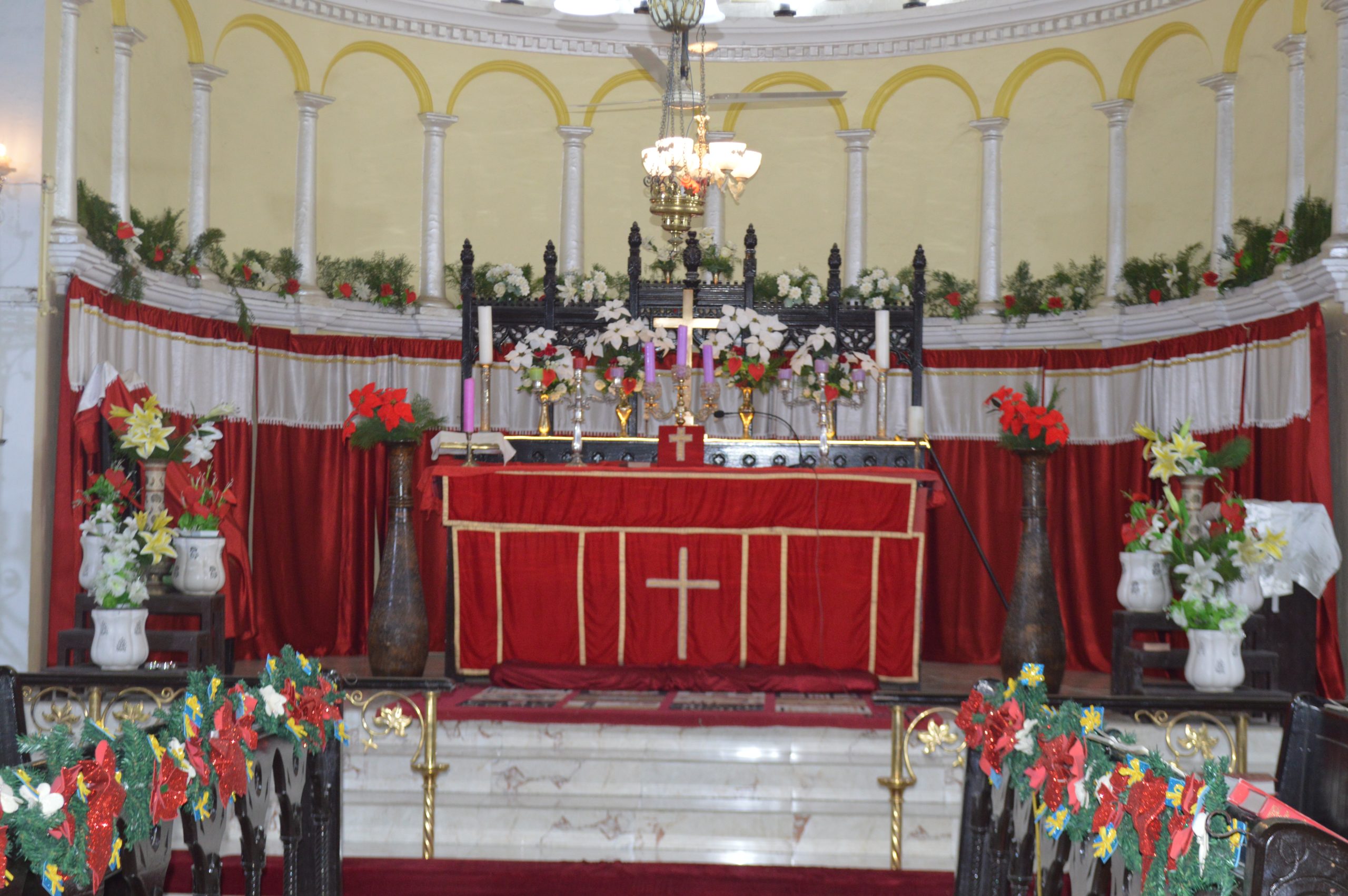
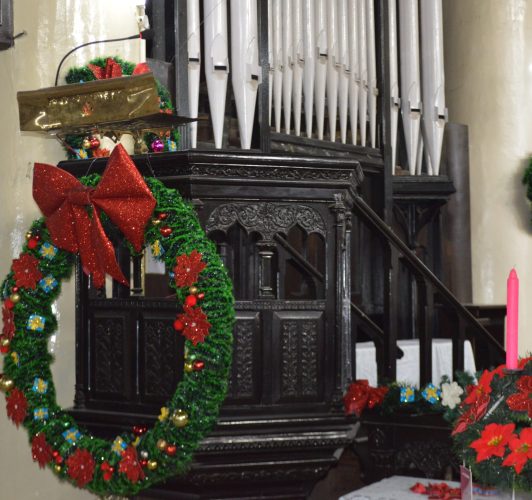
Architecturally, it exemplifies a classical English parish church style, predating the Gothic Revival trend in colonial India. Measuring approximately 150 feet in length and 84 feet in breadth, the church features a brick-and-stucco facade with a handsome spire, tall columns, and an open-interior layout to facilitate air circulation in the hot climate. Prior to the church’s completion, Anglican services in Meerut were held in a makeshift room above one of the city’s gates, where early catechists read scriptures to small Christian congregations. It once housed one of India’s finest pipe organs at the time, operated by manual bellows, though it is no longer functional.The Church also finds mention in several historical texts, including the District Gazetteers of the United Provinces of Agra and Oudh: Meerut Volume IV (1922), which describes the church’s imposing enclosure and ornamental walls, and The Anglican Church in India 1600-1970 (1974), which highlights its role in early 19th-century missionary expansion under the Church Missionary Society (CMS). Today, St. John’s remains an active parish church under the CNI Diocese of Agra, holding English-language services on Sundays (Morning 10:00 AM and Evening (Multilingual) 6:00 PM in summers, morning _____________ AM and Evening (Multilingual)______________in winter) and special observances on Christian holidays. In a nod to its evolving role, it conducted its first Hindi service in May 2025, marking 200 years since inception and shifting from its English-only colonial past. The church attracts tourists for its architecture and historical ties to 1857, while its cemetery offers a poignant glimpse into colonial-era burials.
On a square glass plate screwed to the pulpit are words written
“To the Glory of God,
And
In the memory of non-commissioned officers,
Men, Women and Children who died at Meerut
1923-1926”
’”To the Glory of God and a thanks giving in recovery of their son Robert on the night of October 22,1911.”
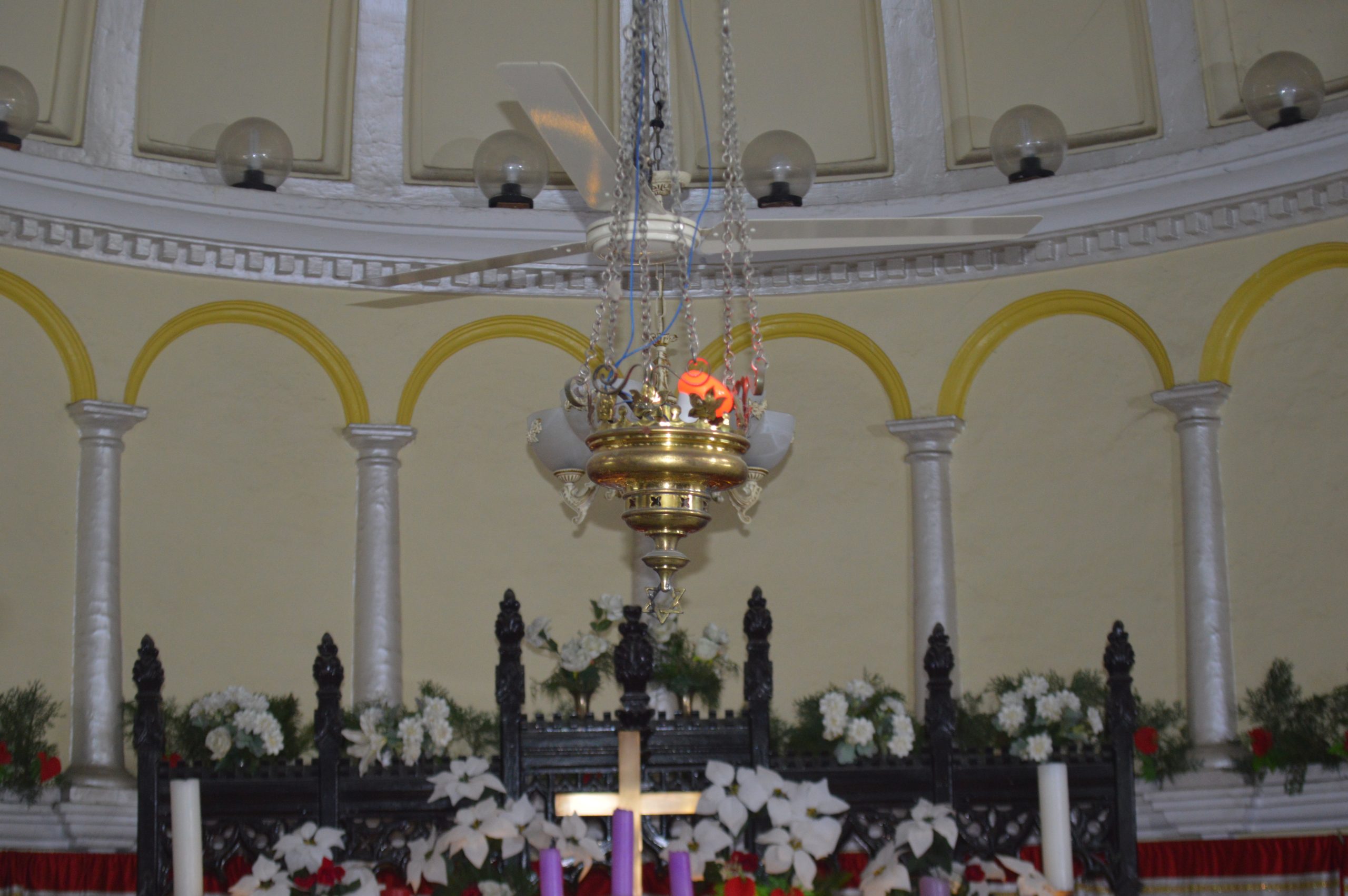
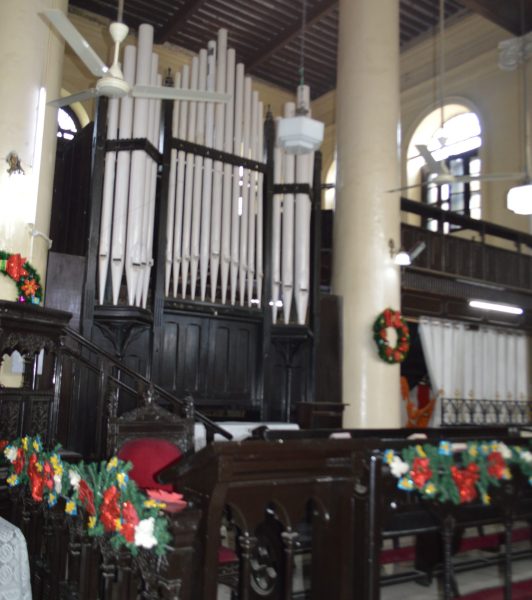
It bears the inscription:
“To the glory of God.
This organ was erected by Public Subscription
and dedicated on ‘Sunday xi after Trinity’
August 13, 1893
The Rev. J.B.I Corkin, Chaplin”
“Hurry Brothers,
Organ Builders, Calcutta”
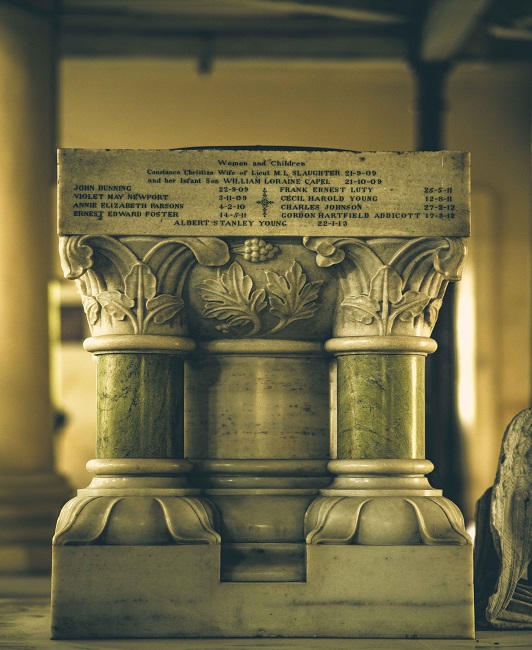
“To the Glory of God
and
In memory of the N.C. officers, men, women and children who died while the battalion was stationed at Meerut between February 13, 1909 and January 30, 1913.
The Font is presented to St John’s Church, Meerut, by officers, N.C.O.s and men of the 2nd Battalion Princess Charlote of Wales.(Royal Berkshire Regiment”
“To the Glory of God and in loving memory of Mildred Nina D’Silva and her husband Fredrick John D’Silva who died respectively at Shimla on May 17th,1902 and at Meerut on 15th April, 1905. Erected by their sorrowing parents and three little orphans”